This is the standards library from Nandini Steel, an ISO 9001:2015 certified stainless, nickel-alloy and pressure-vessel steel supplier in Mumbai since 2003. Covering the ASTM, ASME, EN and NACE specifications our material is certified to.
Written and reviewed by our engineering team. Browse the topics below, or send a spec and we will point you to the right grade and standard.
Stainless steel standards: ASTM A240 and ASME SA-240
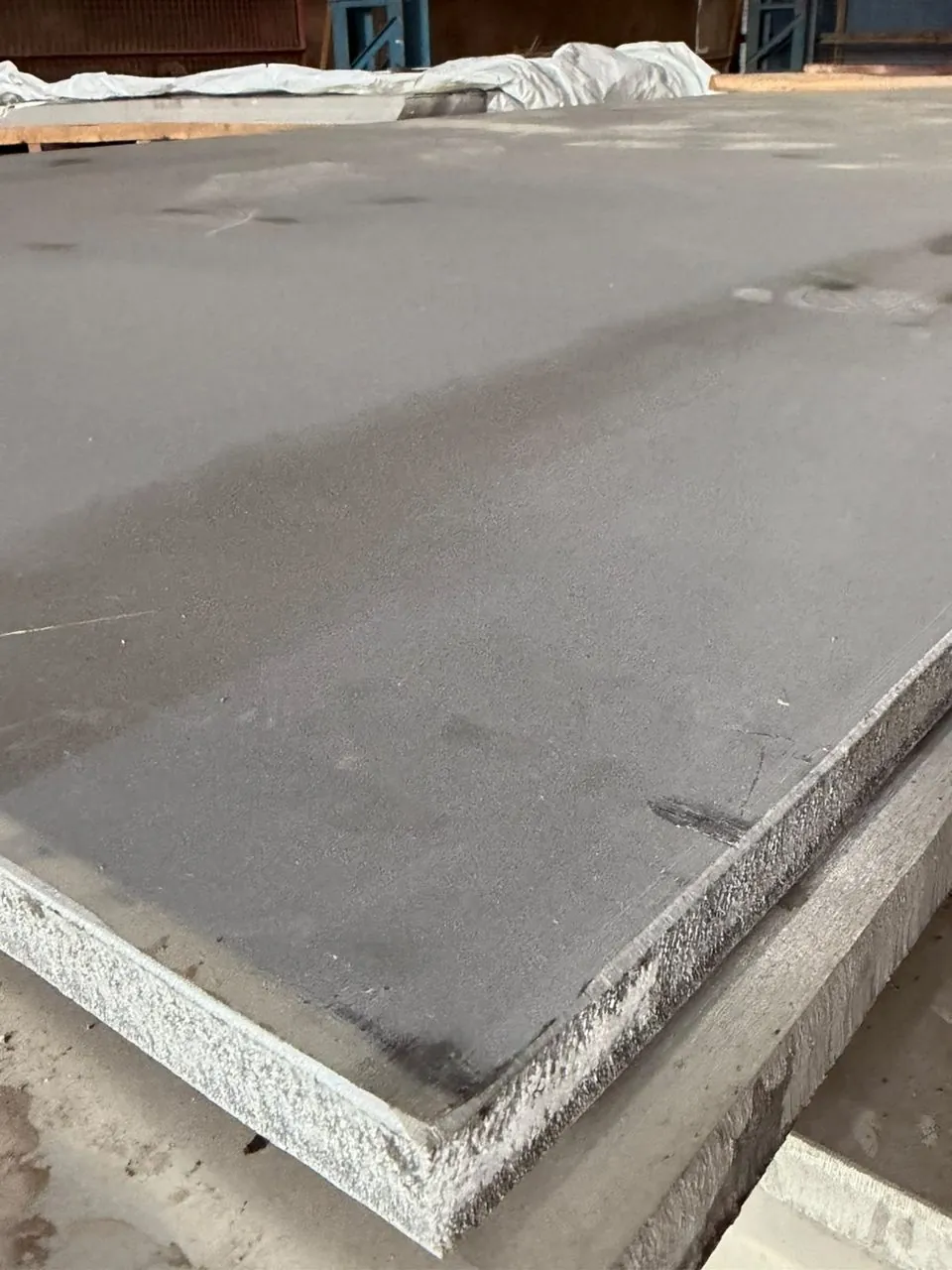
ASTM A240 is the primary US specification for chromium and chromium-nickel stainless steel plate, sheet and strip used in pressure vessels and corrosion-resistant service. It sets the composition, strength and finish requirements across the austenitic family, from 304 and 304L through 316, 316L, 321, 347 and the super-austenitic 904L. ASTM A240 stainless steel plate specification is the baseline most mills certify stainless flat products against. ASME SA-240 pressure vessel stainless plate code carries the same chemistry and mechanical limits into the ASME Boiler and Pressure Vessel Code, so code-stamped vessel fabrication specifies SA-240 rather than the ASTM version, even though the underlying material is identical. Long products are covered separately by ASTM A276 stainless steel round bar standard, while ASTM A480 general requirements for stainless and heat-resisting plate, sheet and strip sets the umbrella tolerances and definitions that A240 and A276 both reference. Where a weld is later exposed to sensitizing temperatures, ASTM A262 intergranular corrosion test practices confirm the heat-affected zone resists intergranular attack.
Pressure-vessel plate standards: A516, A20, A387
Boiler-quality and pressure-vessel-quality carbon steel plate is specified to ASTM A516 pressure vessel plate specification or its boiler-code equivalent, ASME SA-516 boiler and pressure vessel plate code. A516 sets four strength grades, 55, 60, 65 and 70, chosen by vessel design pressure and temperature, with Grade 70 the most common for moderate to high-pressure services. ASTM A20 general requirements for pressure vessel plate is the companion specification governing testing frequency, impact-test requirements and marking for A516 plate, so the two are always ordered together. Where higher-temperature service calls for chromium-molybdenum alloy plate instead of plain carbon steel, ASTM A387 chromium-molybdenum alloy steel plate standard covers Grades 11 and 22, used where creep resistance above roughly 450°C rules out carbon steel.
Nickel alloy standards: B409, B424, B443, B575
Nickel-alloy flat products are each governed by a composition-specific ASTM spec rather than one umbrella standard. ASTM B409 nickel-iron-chromium alloy plate, sheet and strip standard covers Incoloy 800, 800H and 800HT. ASTM B424 Incoloy 825 plate, sheet and strip specification covers the nickel-iron-chromium-molybdenum-copper chemistry of Incoloy 825. ASTM B443 Inconel 625 plate, sheet and strip specification covers the nickel-chromium-molybdenum-niobium chemistry of Inconel 625, and ASTM B575 low-carbon nickel-chromium-molybdenum alloy standard covers the Hastelloy C22, C276 and C2000 family used in severe acid service. Round bar in these chemistries is ordered to ASTM B446 nickel alloy round bar standard, and forgings for nickel-alloy flanges and fittings to ASTM B564 nickel alloy forgings standard.
Pipe, fitting and flange standards
Seamless and welded pipe is specified to ASTM A312 stainless steel pipe standard for austenitic grades and ASTM A335 alloy steel pipe standard for chromium-molybdenum service. Fittings follow ASTM A403 stainless steel pipe fitting standard, ASTM A234 carbon and alloy steel fitting standard and ASTM B366 nickel alloy fitting standard, while forged fittings and flanges are ordered against ASTM A182 forged fitting and flange standard with the matching dimensional codes, ASME B16.5 flange dimension standard, ASME B16.9 butt-weld fitting dimension standard and ASME B16.11 forged fitting dimension standard. Flange bolting is specified to ASTM A193 and A194 bolting and nut standard.
Certification standards: EN 10204, NACE MR0175
Every mill certificate traces back to EN 10204 mill test certificate standard, the European norm defining what a 2.2, 3.1 or 3.2 inspection certificate actually certifies and who is permitted to validate it. For sour oil and gas service, NACE MR0175 and ISO 15156 sour service standard sets the metallurgical qualification and hardness limits a grade must meet before it can be used where wet H2S is present.
UNS, Werkstoff and JIS cross-reference
Because the same grade carries a different designation in each national system, specifications are routinely cross-checked against the UNS, Werkstoff and JIS cross-reference for stainless and nickel alloys, which maps the US Unified Numbering System designation to its German Werkstoff number and closest Japanese JIS equivalent for every grade in the austenitic, super-austenitic and nickel-alloy families.
Browse standards