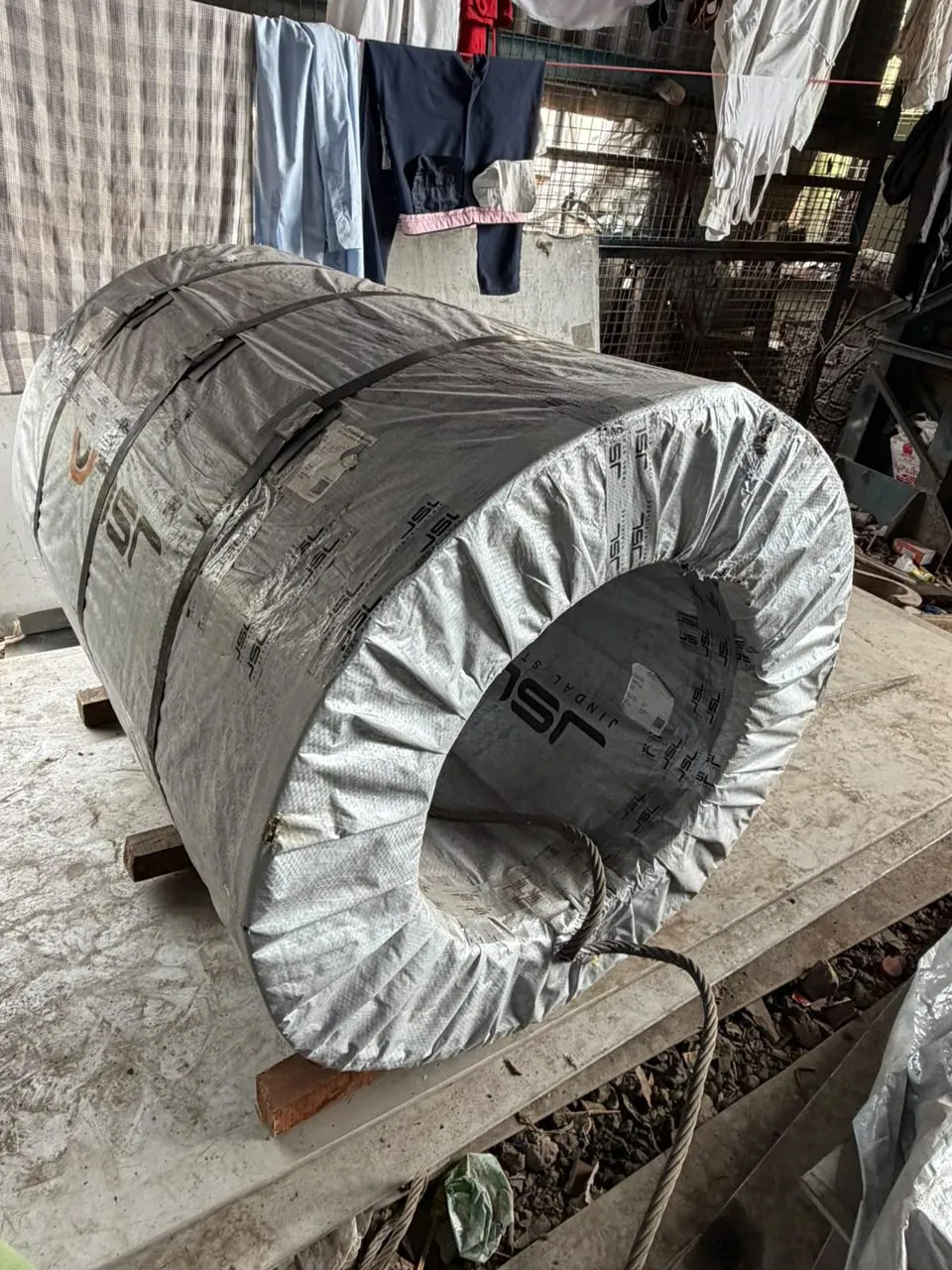
Nandini Steel is an ISO 9001:2015 certified stockist and supplier of alloy steel since 2003, holding 3 grades ex-stock in Mumbai with EN 10204 3.1/3.2 mill test certificates and full heat-to-cast traceability. The focus is SA387 Grade 11, 22 and 91 chrome-moly plate for elevated-temperature and hydrogen service.
We cut, slit and supply to your dimensions and ship worldwide with full export documentation. Browse the range below, then send your grade, form, size and quantity for a same-day quotation.
SA387 chrome-moly alloy steel plate
SA387 chrome-moly plate is the alloy steel specified wherever a pressure vessel or piping system runs hot enough that plain carbon steel plate like A516 Grade 70 is no longer adequate. Chromium and molybdenum are added together to the base steel, chromium for oxidation and corrosion resistance and molybdenum for strength retention at elevated temperature, and the combination is what lets SA387 plate hold its mechanical properties well beyond the service window of carbon steel. Nandini Steel stocks SA387 alloy steel plate ex-stock in Mumbai, with EN 10204 3.1/3.2 mill test certificates on every order, under our ISO 9001:2015 certification (Cert No. 1283438).
SA387 Grade 11 vs 22 vs 91, which for your temperature
SA387 Grade 11, Grade 22 and Grade 91 sit on a rising scale of chromium and molybdenum content, and that scale tracks directly with the service temperature each grade is chosen for. Grade 11 carries a nominal 1.25 percent chromium and 0.5 percent molybdenum and covers the lower end of elevated-temperature service. Grade 22 steps up to a nominal 2.25 percent chromium and 1 percent molybdenum, the most widely specified chrome-moly plate grade for hydroprocessing reactors, piping and heat exchangers in refineries. Grade 91, a modified 9 percent chromium, 1 percent molybdenum steel with additional vanadium and niobium, holds strength at the highest temperatures of the three and is specified for the most demanding high-temperature, high-pressure hydrogen service. Matching the grade to the actual design temperature and hydrogen partial pressure, not just copying the last job's specification, is where buyers most often get this choice wrong.
Class 1 vs Class 2
SA387 plate is supplied in Class 1 or Class 2, and the distinction is the heat-treatment condition rather than a different chemistry. Class 1 plate is typically supplied in a lower-strength, more ductile condition, while Class 2 plate is normalized and tempered to a higher strength level within the same grade's chemical composition. Class 2 is the condition more commonly specified where the vessel design needs the higher allowable stress, while Class 1 is chosen where weldability or lower hardness in the heat-affected zone matters more than maximum strength. The class must be stated on the purchase order alongside the grade, since SA387 Grade 11, 22 or 91 plate ordered without a class defaults to ambiguity that a mill cannot resolve on its own.
Chrome-moly steel for hydrogen and high-temperature service
Chrome-moly steel is used for hydrogen service because chromium and molybdenum together resist a specific failure mode that plain carbon steel cannot withstand at elevated temperature and pressure: hydrogen attack, where atomic hydrogen diffuses into the steel and reacts with carbon to form methane, decarburizing and embrittling the material from the inside. The chromium and molybdenum carbides in SA387 steel are far more stable against this reaction than the carbides in plain carbon steel, which is why refinery hydroprocessing units standardize on Grade 22 and Grade 91 rather than A516 for reactors, piping and heat exchangers running hot hydrogen-rich streams. The same chemistry also gives chrome-moly plate better creep resistance, meaning it holds its strength under sustained load at high temperature longer than carbon steel.
Heat-treatment condition and standards (ASTM A387)
SA387 plate is supplied against ASTM A387 and its ASME equivalent SA-387, which define the chemical composition, mechanical property minimums and the Class 1 or Class 2 heat-treatment condition for chrome-moly alloy steel plate. Depending on grade and class, plate is supplied annealed, normalized and tempered, or quenched and tempered, and the heat-treatment records form part of the documentation package alongside the mill test certificate. We issue EN 10204 3.1 and 3.2 mill test certificates traceable to heat number on every SA387 plate order, confirming grade, class and the heat-treatment condition actually applied.
| Grade | Nominal chemistry | Typical service |
|---|---|---|
| SA387 Grade 11 | ~1.25% Cr, ~0.5% Mo | Lower elevated-temperature service |
| SA387 Grade 22 | ~2.25% Cr, ~1% Mo | Hydroprocessing reactors, piping, heat exchangers |
| SA387 Grade 91 | ~9% Cr, ~1% Mo, V, Nb | Highest-temperature, high-pressure hydrogen service |
Browse alloy steel