


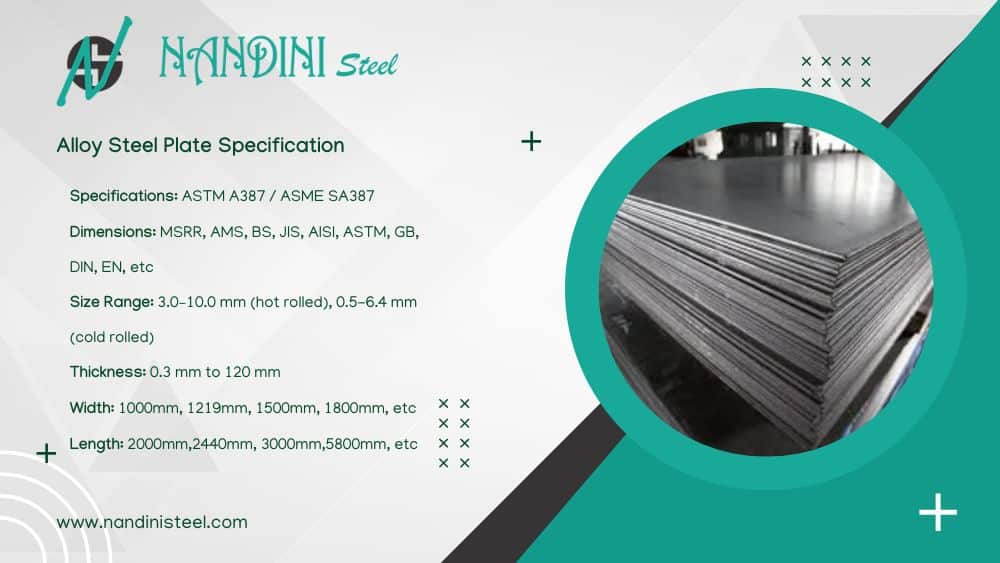
Alloy steel plates are flat steel products with chromium, molybdenum, manganese, or nickel added to the base composition to raise strength, heat resistance, and toughness beyond what plain carbon steel offers. These additions change how the material behaves under load, at high temperatures, and in corrosive service, which is why alloy grades get specified for boilers, pressure vessels, and refinery equipment. Nandini Steel supplies Alloy Steel Plates manufactured to specifications, including ASTM A387, covering grades used across power generation, petrochemical and heavy industrial projects.
What Are Alloy Steel Plates?
Alloy Steel Plate Specifications
The table below lists the ASTM A387 and ASME SA-387 grades supplied by this Alloy Steel Plates Manufacturer, along with UNS designation, heat treatment, and surface condition available on request. Thickness, width, and length are supplied to purchaser specification or mill capability, and heat treatment ranges from normalised to quenched and tempered, depending on grade and class.
| Specification | Grade | UNS Designation | Thickness | Width | Length | Heat Treatment | Surface Condition | Product Form |
| ASTM A387 / ASME SA-387 | Grade 2, Class 1 or 2 | S50460 | Per project/order, ASTM/ASME does not set a single universal maximum thickness | To the purchaser’s specified dimensions / mill capability | To the purchaser’s specified dimensions / mill capability | Thermally treated as required by the specification and grade/class; supplied normalized, normalized-and-tempered, or quenched-and-tempered where applicable | Mill-finished or as-rolled plate; shot-blasted or pickled surface may be supplied by agreement | Hot-rolled pressure-vessel-quality steel plate |
| ASTM A387 / ASME SA-387 | Grade 12, Class 1 or 2 | K11757 | Same as above | Same as above | Same as above | Thermally treated; normalized, normalized-and-tempered, or quenched-and-tempered as applicable | Mill finish or customer-specified cleaned/blasted surface | Hot-rolled pressure-vessel-quality steel plate |
| ASTM A387 / ASME SA-387 | Grade 11, Class 1 or 2 | K11789 | Same as above | Same as above | Same as above | Thermally treated, normalized, normalized-and-tempered, or quenched-and-tempered as applicable | Mill finish or customer-specified cleaned/blasted surface | Hot-rolled pressure-vessel-quality steel plate |
| ASTM A387 / ASME SA-387 | Grade 22, Class 1 or 2 | K21590 | Same as above | Same as above | Same as above | Thermally treated, normalized, normalized-and-tempered, or quenched-and-tempered as applicable | Mill finish or customer-specified cleaned/blasted surface | Hot-rolled pressure-vessel-quality steel plate |
| ASTM A387 / ASME SA-387 | Grade 22L, Class 1 or 2 | K21590 | Same as above | Same as above | Same as above | Thermally treated, normalized, normalized-and-tempered, or quenched-and-tempered as applicable | Mill finish or customer-specified cleaned/blasted surface | Hot-rolled pressure-vessel-quality steel plate |
| ASTM A387 / ASME SA-387 | Grade 21, Class 1 or 2 | K31545 | Same as above | Same as above | Same as above | Thermally treated; normalized, normalized-and-tempered, or quenched-and-tempered as applicable | Mill finish or customer-specified cleaned/blasted surface | Hot-rolled pressure-vessel-quality steel plate |
| ASTM A387 / ASME SA-387 | Grade 21L, Class 1 or 2 | K31545 | Same as above | Same as above | Same as above | Thermally treated; normalized, normalized-and-tempered, or quenched-and-tempered as applicable | Mill finish or customer-specified cleaned/blasted surface | Hot-rolled pressure-vessel-quality steel plate |
| ASTM A387 / ASME SA-387 | Grade 5, Class 1 or 2 | S50200 | Same as above | Same as above | Same as above | Thermally treated; normalized, normalized-and-tempered, or quenched-and-tempered as applicable | Mill finish or customer-specified cleaned/blasted surface | Hot-rolled pressure-vessel-quality steel plate |
| ASTM A387 / ASME SA-387 | Grade 9, Class 1 or 2 | K90941 | Same as above | Same as above | Same as above | Thermally treated; normalized, normalized-and-tempered, or quenched-and-tempered as applicable | Mill finish or customer-specified cleaned/blasted surface | Hot-rolled pressure-vessel-quality steel plate |
| ASTM A387 / ASME SA-387 | Grade 91, Class 2; Type 1 or Type 2 | K90901 | Same as above | Same as above | Same as above | Thermally treated in accordance with Grade 91/Class 2 requirements; the final treatment is typically controlled normalizing and tempering | Mill finish or customer-specified cleaned/blasted surface | Hot-rolled pressure-vessel-quality steel plate |
Packaging, Testing & Delivery
Alloyed Steel Plates are all made with strict testing; these include ultrasonic tests, mechanical tests, and chemical tests. To ensure that the plates reach the customer in good condition, these are packed wooden pallets wrapped in plastic and further protected by waterproof covers.Standards from ASTM ASME, DIN, JIS, and EN are followed. Plate thicknesses, sizes, and lengths vary to meet specific requirements for industries. We offer timely delivery across domestic as well as international markets which makes us a trusted manufacturer of alloy steel plates in India.
Seeking out high-quality Alloy Steel Plates that promise enhanced performance and strength? We have premium High Nickel Alloys Plates and Alloyed Steel Plates as per your project requirements. Talk to us now for top-notch alloy steel plate grades and experience unparalleled quality and service!
Other Types of Alloy Steel Plate

Alloy Steel Chequered Plate
Alloy Steel Polished Plate
Alloy Steel Hot Rolled Plate
Alloy Steel CR Plates
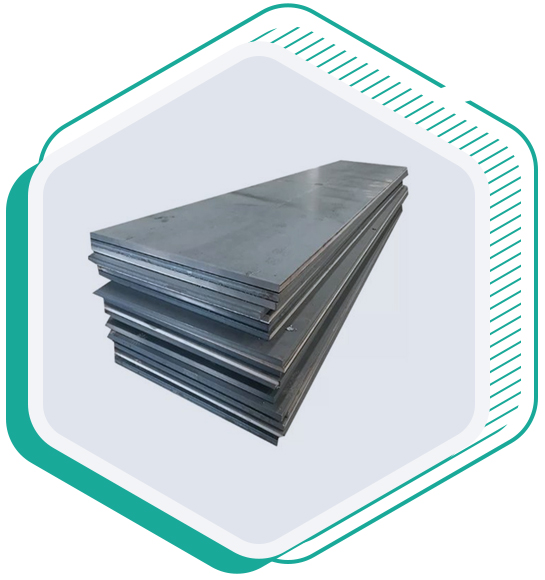
Alloy Steel Clad Plate
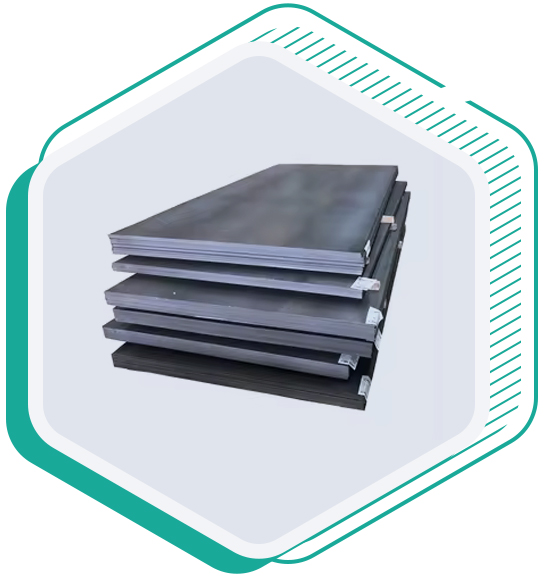
Alloy Steel Rolling Plate
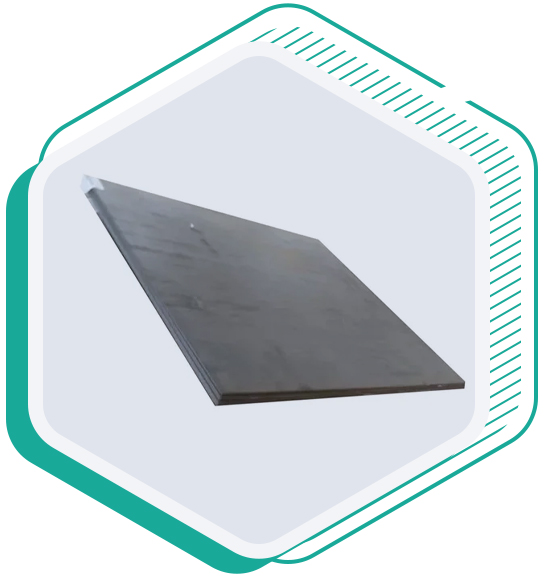
2mm Alloy Steel Plate
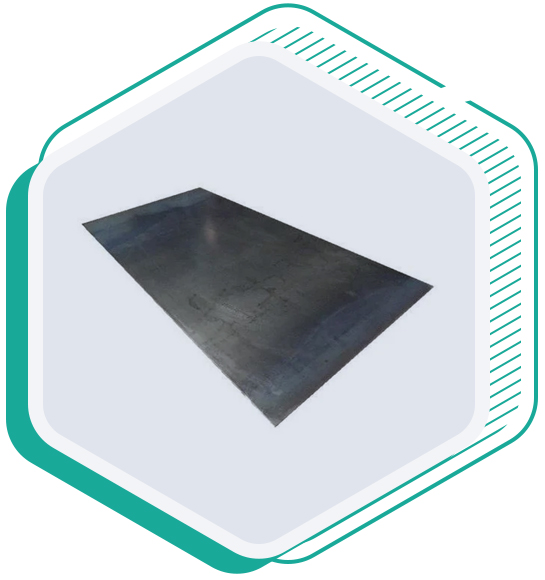
2B Alloy Steel Plates
Alloy Steel Plates Grades
Four ASTM A387 grades cover most of the high-temperature and pressure equipment this page addresses, each rated for a different service range.
ASME A387 Grade 11 Alloy Steel Plate
ASME Sa387 Grade 11 Plate is a chromium-molybdenum alloy plate used where equipment operates at sustained elevated temperatures. Boilers, pressure vessels, and petrochemical equipment use this grade for its resistance to creep and oxidation under continuous heat load. Thickness and heat treatment follow the same ASTM A387 framework listed in the specification table above.
ASME A387 Grade 12 Alloy Steel Plate
ASME Sa387 Grade 12 Plate carries a similar Cr-Mo composition, tuned for high-temperature and high-pressure service. Chemical plants, refineries, and power stations use this grade in components exposed to both thermal cycling and pressure load at the same time. It sits between Grade 11 and Grade 22 in terms of chromium content.
ASME A387 Grade 22 Alloy Steel Plate
ASME Sa387 Grade 22 Plate carries higher chromium and molybdenum content than grades 11 or 12, which raises strength at elevated temperatures. Power plants, pressure vessels, and steam systems specify this grade where service temperature runs past the limits of standard Cr-Mo compositions. A low-carbon variant, Grade 22L, is also available for improved weldability.
ASME A387 Grade 91 Alloy Steel Plate
ASME Sa387 Grade 91 Plate delivers higher strength at elevated temperatures and better creep resistance than the lower chromium grades listed above. Power-generation equipment and heavy industrial plants use this grade in components that operate at high temperatures for long service periods. Final treatment is typically controlled by normalising and tempering, as noted in the specification table.
Alloy Steel Plate Thickness Chart
| Thickness (mm) | Thickness (in) | Approx. Designation |
| 3.0 | 0.118 | ≈ 1/8″ |
| 4.0 | 0.157 | — |
| 5.0 | 0.197 | ≈ 3/16″ |
| 6.0 | 0.236 | ≈ 1/4″ |
| 8.0 | 0.315 | ≈ 5/16″ |
| 10.0 | 0.394 | ≈ 3/8″ |
| 12.0 | 0.472 | ≈ 1/2″ |
| 12.5 | 0.492 | — |
| 15.0 | 0.591 | ≈ 5/8″ |
| 16.0 | 0.630 | — |
| 18.0 | 0.709 | — |
| 20.0 | 0.787 | ≈ 3/4″ |
| 22.0 | 0.866 | — |
| 25.0 | 0.984 | ≈ 1″ |
| 30.0 | 1.181 | ≈ 1-1/4″ |
| 32.0 | 1.260 | — |
| 36.0 | 1.417 | — |
| 40.0 | 1.575 | ≈ 1-1/2″ |
| 45.0 | 1.772 | — |
| 50.0 | 1.969 | ≈ 2″ |
| 60.0 | 2.362 | ≈ 2-1/2″ |
| 70.0 | 2.756 | — |
| 75.0 | 2.953 | ≈ 3″ |
| 80.0 | 3.150 | ≈ 3-1/8″ |
| 90.0 | 3.543 | — |
| 100.0 | 3.937 | ≈ 4″ |
| 120.0 | 4.724 | — |
| 150.0 | 5.906 | ≈ 6″ |
| 200.0 | 7.874 | ≈ 8″ (special) |
Alloy Steel Plate Weight Chart
| Thickness | Size (mm) | Size (in) | Approx. Weight (kg) | Approx. Weight (lb) |
| 6 mm | 1000 × 2000 | 39.4 × 78.7 | 94 | 207 |
| 6 mm | 1220 × 2440 | 48 × 96 | 141 | 311 |
| 10 mm | 1000 × 2000 | 39.4 × 78.7 | 157 | 346 |
| 10 mm | 1220 × 2440 | 48 × 96 | 235 | 518 |
| 12 mm | 1000 × 2000 | 39.4 × 78.7 | 188 | 414 |
| 12 mm | 1220 × 2440 | 48 × 96 | 282 | 622 |
| 20 mm | 1000 × 2000 | 39.4 × 78.7 | 314 | 692 |
| 20 mm | 1220 × 2440 | 48 × 96 | 471 | 1038 |
| 25 mm | 1000 × 2000 | 39.4 × 78.7 | 393 | 866 |
| 25 mm | 1220 × 2440 | 48 × 96 | 589 | 1298 |
| 30 mm | 1000 × 2000 | 39.4 × 78.7 | 471 | 1038 |
| 30 mm | 1220 × 2440 | 48 × 96 | 706 | 1556 |
| 40 mm | 1000 × 2000 | 39.4 × 78.7 | 628 | 1384 |
| 40 mm | 1220 × 2440 | 48 × 96 | 942 | 2077 |
| 50 mm | 1000 × 2000 | 39.4 × 78.7 | 785 | 1731 |
| 50 mm | 1220 × 2440 | 48 × 96 | 1178 | 2597 |
Alloy Steel Plate Stockist Distributor of Following Manufacturers

ThyssenKrupp Make Alloy Steel Plate

Aperam Make Alloy Steel Plate

Outokumpu Make Alloy Steel Plate

Nippon Steel & Sumitomo Metal Make Alloy Steel Plate

Posco Make Alloy Steel Plate

Jindal Make Alloy Steel Plate

JFE Steel Corporation Make Alloy Steel Plate

Essar Make Alloy Steel Plate
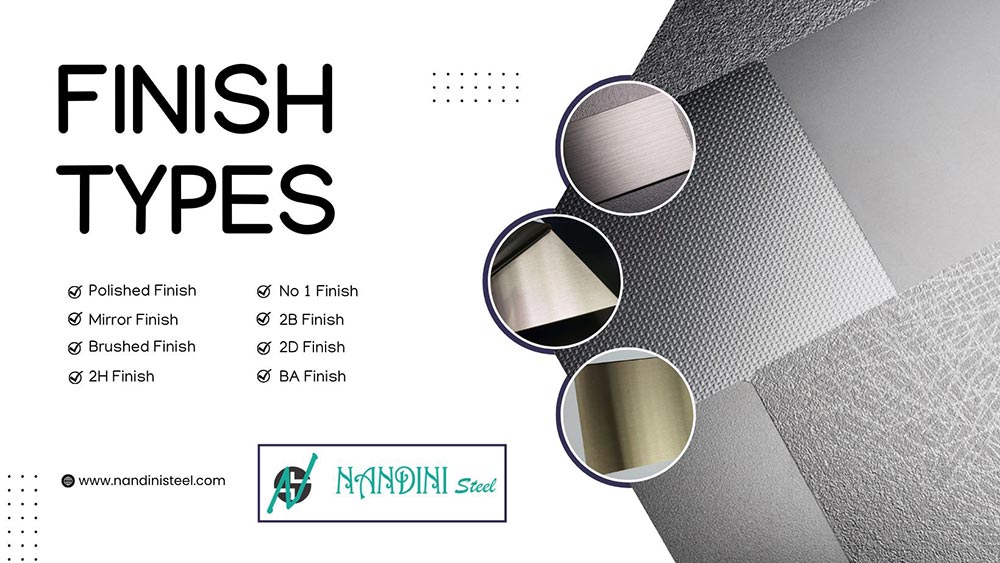
Alloy Steel Plate Finish Types
Alloy Steel Plate Applications
Alloy steel plates are specified across six industrial sectors where standard carbon steel cannot hold up under service conditions.
Power Generation
Boilers and steam generation equipment run at temperatures where plain carbon steel loses strength over time. Alloy steel plates maintain mechanical properties under continuous thermal load, which keeps pressure components stable across long operating cycles between planned outages.
Petrochemical and Refinery
Refinery reactors and process vessels handle a mix of high pressure, elevated temperature, and corrosive process media. Chromium-molybdenum alloy plates resist hydrogen attack and maintain strength in these conditions, which extends equipment service life between turnaround shutdowns.
Oil & Gas
Upstream and downstream oil and gas equipment operates in variable pressure and temperature conditions, often in remote or offshore locations. Alloy steel plates provide the toughness needed for structural components, storage vessels and processing equipment across this sector.
Chemical Processing
Chemical plants run reactors and storage tanks exposed to aggressive media at elevated temperatures for extended periods. Alloy content in the plate resists degradation from thermal cycling and chemical exposure, which reduces the risk of unplanned equipment failure.
Industrial Furnaces
Furnace components sit directly in high-heat zones where carbon steel would warp or lose hardness within a short service life. Alloy steel plates hold shape and strength at these temperatures, supporting structural parts, linings and fabricated furnace sections.
Heavy Engineering
Heavy machinery and structural fabrication need plate material that resists wear and impact under repeated loads. Alloy steel plates offer higher yield strength than carbon steel equivalents, which allows thinner sections to carry the same structural load.
Alloy Steel Plates vs Carbon Steel Plates
| Aspect | Carbon Steel Plates (e.g., A36, A572, A516) | Alloy Steel Plates (e.g., A387, A514, 4140/4340, EN 10025 high-strength) |
| Chemical Composition | Fe + C (≈ 0.05–0.30% for structural/pressure grades); small Mn, Si, P, S | Fe + C + intentional alloying elements (Cr, Ni, Mo, V, Mn, Si, B, etc.) typically ≥ 0.5% total alloy content |
| Strength (Yield / Tensile, Typical) | Yield ≈ 250–345 MPa (36–50 ksi); tensile ≈ 400–550 MPa (58–80 ksi) for common structural/pressure grades | Yield ≈ 345–690+ MPa (50–100+ ksi); tensile ≈ 480–900+ MPa (70–130+ ksi) depending on grade and heat treatment |
| Temperature Resistance | Good up to moderate temperatures; strength drops significantly above ~400°C; limited creep resistance | Improved high-temperature strength and creep resistance (e.g., Cr-Mo steels for boilers/pressure vessels up to ~500–600°C) |
| Hardness | Moderate; typically ~120–180 HB for mild/structural plates; higher for medium/high-carbon grades | Can be significantly higher, especially after heat treatment (e.g., 4140/4340 quenched & tempered 250–350+ HB) |
| Toughness | Good impact toughness in low/medium-carbon grades; may require controlled chemistry for low-temperature service | Generally higher toughness, especially with Ni and proper heat treatment; some grades rated for sub-zero service |
| Pressure Applications | Widely used for pressure vessels and boilers at moderate T/P (e.g., A516 Gr 60/70, A572) | Preferred for high-temperature/high-pressure service (e.g., A387 Cr-Mo for reactors/boilers, A514 for high-strength pressure components) |
| Typical Use Cases | Structural frames, buildings, bridges, general fabrication, tanks, low/medium-pressure vessels | Gears, shafts, high-strength structural parts, high-T/P boilers, reactors, heat exchangers, oil & gas, heavy machinery |
| Mumbai (Maharashtra) | Delhi | Bengaluru (Karnataka) | Chennai (Tamil Nadu) |
| Kolkata (West Bengal) | Hyderabad (Telangana) | Ahmedabad (Gujarat) | Pune (Maharashtra) |
| Jaipur (Rajasthan) | Surat (Gujarat) | Chandigarh | Lucknow (Uttar Pradesh) |
| Indore (Madhya Pradesh) | Coimbatore (Tamil Nadu) | Kochi (Kerala) | Visakhapatnam (Andhra Pradesh) |
| Nagpur (Maharashtra) | Patna (Bihar) | Bhopal (Madhya Pradesh) | Vadodara (Gujarat) |
| Mysuru (Karnataka) | Thane (Maharashtra) | Rajkot (Gujarat) | Vijayawada (Andhra Pradesh) |
| Agra (Uttar Pradesh) | Nashik (Maharashtra) | Guwahati (Assam) | Kanpur (Uttar Pradesh) |
| Faridabad (Haryana) | Gurugram (Haryana) | Noida (Uttar Pradesh) | Shimla (Himachal Pradesh) |
| Raipur (Chhattisgarh) | Udaipur (Rajasthan) | Kolkata (West Bengal) | Bhubaneswar (Odisha) |
| Dehradun (Uttarakhand) | Ranchi (Jharkhand) | Jamshedpur (Jharkhand) | Chandrapur (Maharashtra) |
| Dhanbad (Jharkhand) | Aligarh (Uttar Pradesh) | Bhubaneswar (Odisha) | Aurangabad (Maharashtra) |
| Tiruchirappalli (Tamil Nadu) | Srinagar (Jammu & Kashmir) | Ludhiana (Punjab) | Warangal (Telangana) |
| Kolkata (West Bengal) | Bikaner (Rajasthan) | Panaji (Goa) | Guntur |
Oman, Kuwait, Turkey, Yemen, Syria, Jordan, Cyprus, Saudi Arabia, Iran, Iraq, UAE, Qatar, Bahrain
South Africa, Libya, Egypt, Sudan, Equatorial Guinea, The Republic Of Congo, Gabon, Nigeria, Algeria, Angola
Costa Rica, Puerto Rica, Trinidad And Tobago, Jamaica, Bahamas, Denmark, USA, Canada, Mexico, Panama
Netherland, Belgium, Greece, Czech Republic, Portugal, Hungary, Russia, Norway, Germany, France, Italy, UK, Spain, Ukraine, Croatia, Slovenia, Malta, Albania, Austria, Switzerland, Slovakia, Finland, Ireland
India, Japan, Sri Lanka, Maldives, Bangladesh, Mayanmar, Taiwan, Cambodia, Singapore, Malaysia, Indonesia, Thailand, Vietnam, South Korea
Venezuela, Colombia, Ecuador, Guyana, Paraguay, Uruguay, Argentina, Bolivia, Brazil, Chile
FAQ
Yes, Cr-Mo grades such as A387 Grade 11, Grade 22, and Grade 91 stay stable at elevated temperatures and are specified for boiler and pressure vessel service up to their rated limits.
Nandini Steel supplies Alloy Steel Plates from 3 mm to 200 mm thick, with width and length produced to project specification or mill capability.
Yes. Material test certificates are available on request, confirming chemical composition and mechanical properties recorded for each production heat.
ASTM and ASME publish closely aligned specifications for this grade family, with ASME SA387 written specifically for boiler and pressure vessel code compliance.
Grade selection depends on operating temperature, pressure, and the corrosive nature of the service, and matching these factors against each grade’s rated limits determines the right choice.


