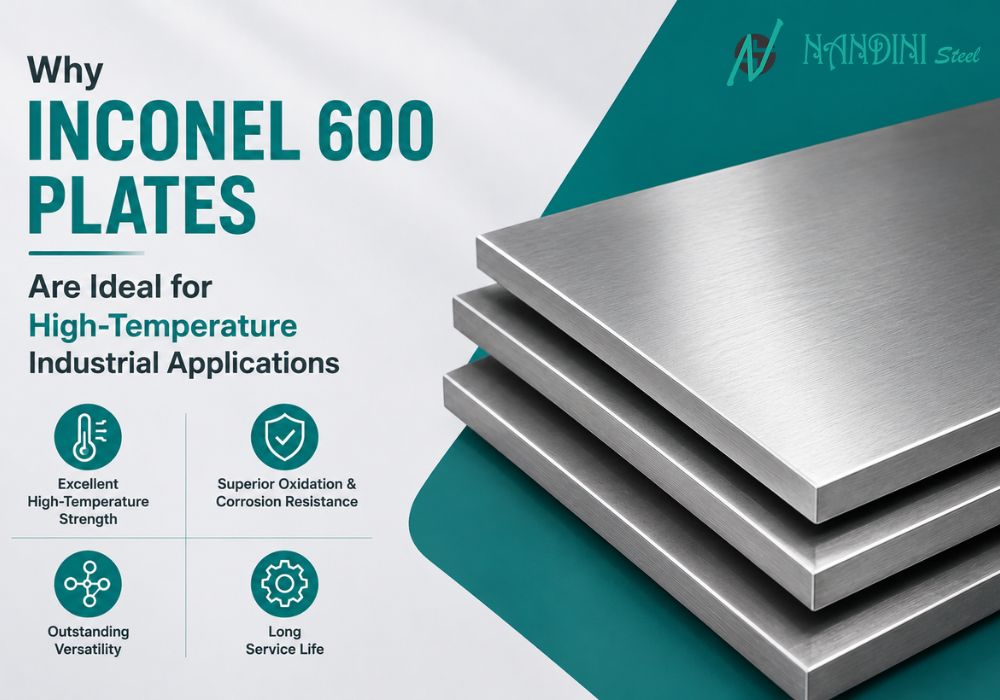
Stainless steel is a type of metal made from iron, chromium, and nickel. The main reason people use stainless steel because of its corrosion resistance. It doesn’t easily get damaged when exposed to water or air.
The chromium in stainless steel forms a thin layer on the surface. This layer protects the metal from stains and rust. Nickel is added to make it stronger and withstand heat or chemicals.
Stainless steel is used in kitchens, factories, buildings, and even medical tools. It lasts long, looks clean, and is easy to maintain.
What is a Stainless Steel Sheet?
A stainless steel sheet is a flat piece of stainless steel. It is thin and smooth, often used when a lighter or flexible metal part is needed.
Stainless steel sheet thickness usually ranges from less than 1 mm to about 6 mm (1/4 inch). These sheets are available in coils or cut into standard sizes. Common stainless steel sheet size options include 1000 mm x 2000 mm or 4 ft x 8 ft.
Sheets are easy to bend and shape. They are used for kitchen counters, elevator panels, car body parts, and decorative work. In many homes, stainless steel sheet is used for wall panels and shelves because it’s strong, easy to clean, and doesn’t rust.
What is a Stainless Steel Plate?
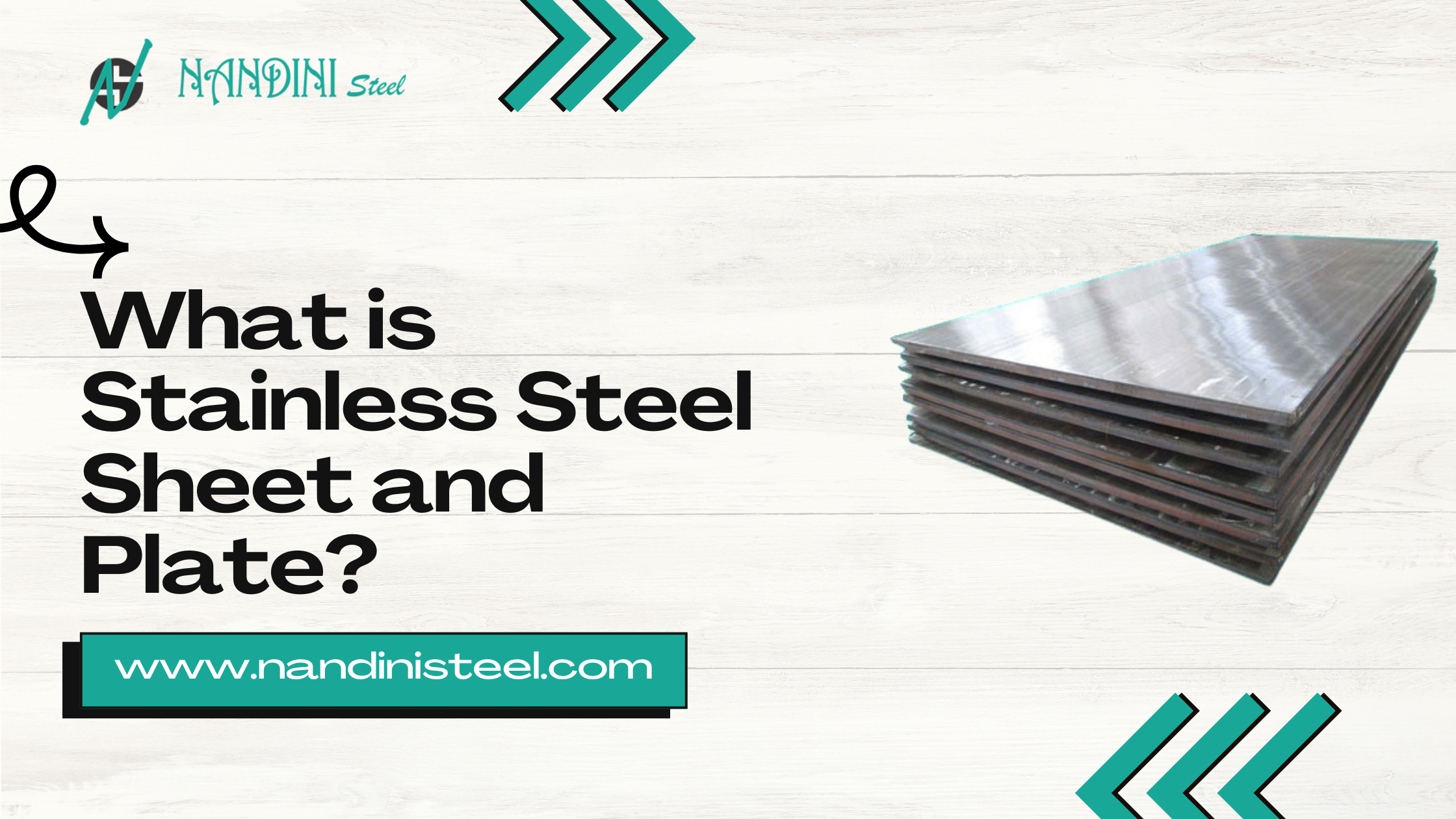
A stainless steel plate is a flat piece of stainless steel too, but it is thicker and heavier than a sheet. Plates are used where strength and durability matter more.
The stainless steel plate thickness starts from 6 mm (1/4 inch) and can go much higher. Like sheets, they can be cut to different stainless steel plate size depending on the use.
Plates are found in industries like shipbuilding, construction, oil and gas, and heavy machinery. They are strong enough to carry weight, resist pressure, and handle harsh conditions. Because of that, stainless steel plates are used in bridges, tanks, and pressure vessels.
Key Differences Between Stainless Steel Sheet and Plate
The main difference between stainless steel sheet and plate is the thickness. Sheets are thin. Plates are thick.
Because of this, sheets are lighter and easier to bend. Plates are stronger and harder to work with. A sheet is better for flexible or decorative jobs. A plate is better for support or structural use.
In short:
- Sheets are used when light weight is needed.
- Plates are used when strength is needed.
Also, the stainless steel thickness comparison affects how each one is made. Thin sheets go through cold rolling. Plates often go through hot rolling to shape the thick metal.
Types and Grades of Stainless Steel Sheets and Plates
There are many types of stainless steel. Each type has a number called a grade. The grade tells us how the metal will perform.
One of the most common types is 304 stainless steel sheet. It is good for general use. It resists rust and is easy to clean. You’ll find it in kitchens, food factories, and home equipment.
Another popular grade is 316 stainless steel plate. This type is better at handling chemicals and saltwater. It’s used in marine parts and chemical plants.
Grade 430 is a lower-cost option. It is often used in places where corrosion is not a big issue, like indoor panels or trims.
Different stainless steel grades are chosen based on how strong, flexible, or rust-proof they need to be.
Applications of Stainless Steel Sheets and Plates
Stainless steel sheet applications include things like kitchen backsplashes, sinks, refrigerators, and vehicle panels. These parts need to look good, be easy to clean, and not rust.
Stainless steel plate uses are heavier. Used in tanks, bridges, wind towers, and large machines. Plates are used when weight and pressure are involved.
Many industries using stainless steel include:
- Food processing
- Construction
- Automotive
- Aerospace
- Chemical and oil & gas
Each industry picks the right type based on what it needs—lightweight or heavy-duty, flexible or solid.
Manufacturing Process Overview
The stainless steel sheet manufacturing and stainless steel plate production process begins with melting raw materials like iron and chromium. This mix is cast into slabs.
These slabs go through rolling. If it’s hot rolling, the metal is shaped at high temperatures. This makes thicker products like plates. Cold rolling is used for thinner sheets that need a smooth finish.
After rolling, the sheets or plates are cut to size. Finishing is done with brushing, polishing, or coating. This makes the metal clean, shiny, or textured based on the need.
The stainless steel rolling process helps control how thick or thin the final product is.
How to Choose Between Stainless Steel Sheet and Plate?
To decide between a sheet and a plate, look at what the project needs. Choosing stainless steel sheet or plate depends on thickness, weight, and strength.
Use a sheet if:
- You need something lightweight.
- You need something easy to cut or bend.
- The part won’t hold heavy weight.
Use a plate if:
- You need strength and support.
- The part must handle pressure or weight.
- It will be used outdoors or in tough places.
Stainless steel sheet vs plate for construction is all about how much load the metal will bear. If the structure is under pressure, use a plate.
For salty or chemical-heavy areas, pick a stronger grade like 316. If cost is a big factor, go with 430.
The best stainless steel for fabrication depends on how it will be formed. Sheets are easier to shape. Plates are harder but stronger.
Choosing between a stainless steel sheet and a stainless steel plate depends on thickness, strength, application, manufacturing, and cost. This knowledge ensures you select the right material for industrial, construction, fabrication, and engineering projects. We optimize your stock selection instantly.
Stainless Steel Sheet vs Stainless Steel Plate Comparison
The following is a detailed comparison table of Stainless steel sheets and plates.
| Feature | Stainless Steel Sheet | Stainless Steel Plate |
| Thickness | Under 6mm | 6mm and above |
| Primary Use | Automotive, light trim | Structural, heavy tanks |
FAQ’s
What is the main difference between stainless steel sheet and stainless steel plate?
The main difference is one is thicker. Thickness is what determines the overall strength of the structure and industrial application.
What are the standard thicknesses of stainless steel sheets and plates?
Standard sheet items are under 6mm thick, whereas industrial plates are 6mm or more thick.
What grades are commonly used for stainless steel sheets and plates?
Industrial shops use heavy-duty grades such steel 304, 316 and 430 for their regular fabrication jobs.
Are stainless steel sheets and plates corrosion resistant?
Yes, the structural variations are both well-equipped with inherent resistance to corrosion, dampness, and severe chemical conditions.
What surface finishes are available for stainless steel sheets?
Common finishes for aesthetics include matte 2B, brushed No. 4, and highly reflecting mirror.
Conclusion
Sheets and plates are both flat stainless steel products. The difference is in thickness, weight, and use.
Stainless steel sheet and plate summary:
- Sheets are thin, light, and flexible.
- Plates are thick, strong, and built for heavy work.
- Each has its own place in homes, factories, and machines.
Know what you need before you buy. Check the thickness, grade, and finish. If you’re not sure, speak with a trusted stainless steel sheet plate supplier.
Use this stainless steel buying guide to make a better choice. Whether it’s for your kitchen, machine, or building, stainless steel offers a clean, strong, and long-lasting solution.