


ASTM B709 Alloy 28 Plate, N08028 Alloy Plate, Werkstoff Nr. 1.4563 Alloy Plates, Alloy 28 Plates Supplier in Mumbai, India.
Nandini Steel supplies Alloy 28 Plate in hot-rolled and cold-rolled finishes to processing plants that run sulfuric acid, phosphoric acid, and chloride-heavy streams. Nickel, chromium, and molybdenum work together in this austenitic grade to resist pitting, crevice attack, and stress corrosion cracking at duty points where standard stainless plate fails within months. Hot-rolled plate goes into structural and tank fabrication. Cold-rolled plate holds tighter tolerances for pressure parts and precision components. As an Alloy 28 plate manufacturer partner sourcing to ASTM and ASME specifications, we ship every stainless steel plate with a mill test certificate, so your engineering team can verify chemistry and mechanical data before the material reaches the shop floor. Stock covers UNS N08028 plates and DIN 1.4563 CR plates, ready for custom sizing out of our Mumbai facility. Sourcing draws from mills that hold their chemistry within tight tolerances batch after batch, which matters when a fertilizer reactor or acid tank cannot tolerate a weak weld seam.
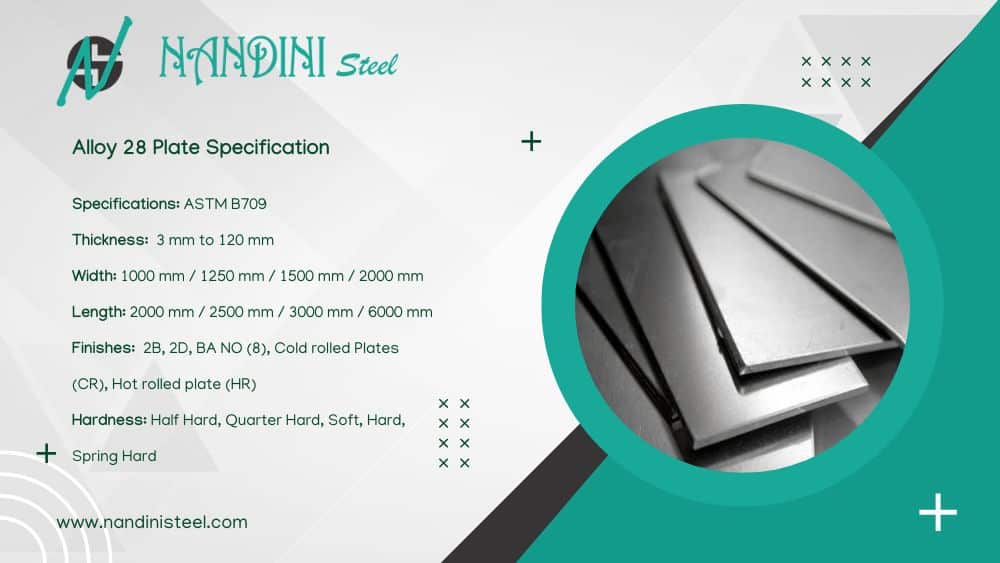
ASME SB463 Alloy 28 plate, ASTM B463 Alloy 28 plate, Alloy 28 Plates Manufacturer in Mumbai, India.
Key Features of Alloy 28 Plate
Excellent Corrosion Resistance
Nickel and molybdenum content blocks pitting and crevice attack in sulfuric acid, phosphoric acid, and chloride-bearing process streams.
Performance Across Wide Temperature Ranges
The plate maintains mechanical integrity from cryogenic service up to 550°C, covering both cold storage tanks and heated reactor vessels.
Molybdenum and Alloying Elements
A 3.0–4.0% molybdenum addition, paired with chromium, raises resistance to localized corrosion beyond that of standard 316L stainless plate.
Mechanical Strength and Durability
Minimum yield strength of 220 MPa and tensile strength above 490 MPa give the plate load-bearing capacity for pressure vessel walls.
Versatile Industrial Applications
Chemical processing, fertilizer manufacturing, petrochemical refining, and pharmaceutical production all draw on this plate for tanks, agitators, and heat exchangers.
Compositions and Properties of Alloy 28 Plate
Alloy 28 carries 29.5–32.5% nickel and 26.0–28.0% chromium as its foundation, with 3.0–4.0% molybdenum and 0.6–1.4% copper rounding out the corrosion-fighting elements. Carbon stays capped at 0.02% to limit carbide precipitation during welding. Manganese runs up to 2.5% and silicon up to 1.0%, both controlled to preserve weldability. Nickel stabilizes the austenitic structure and resists reducing acid attack; chromium builds the passive oxide layer; molybdenum targets pitting and crevice corrosion in chloride media; copper adds resistance specifically against sulfuric acid. Mechanically, the plate delivers a minimum tensile strength of 490 MPa, yield strength of 220 MPa, elongation of 35%, and Brinell hardness around 200 HB. Density sits near 8.0 g/cm³, with a melting range of 1330–1380°C, thermal conductivity of roughly 11.8 W/m·K at room temperature, and a thermal expansion coefficient near 14.6 µm/m·°C between 20°C and 100°C. Sulfuric acid up to moderate concentrations, phosphoric acid across a wide concentration and temperature range, and chloride-rich brines all fall within its operating envelope, with strong resistance to pitting, crevice, and general corrosion throughout. Weldability stays good with matching filler metal and controlled heat input; forming and machining follow standard austenitic stainless practice with attention to work hardening. This composition profile is why fertilizer plants, petrochemical units, and pharmaceutical manufacturers specify Alloy 28 for tanks, heat exchangers, and other process equipment exposed to aggressive media.
Property | Value |
Nickel | 29.5–32.5% |
Chromium | 26.0–28.0% |
Molybdenum | 3.0–4.0% |
Copper | 0.6–1.4% |
Carbon | 0.02% max |
Tensile Strength | 490 MPa min |
Yield Strength | 220 MPa min |
Elongation | 35% min |
Packaging, Testing & Delivery
Every Alloy 28 Plate leaves our facility wrapped and secured for transit, protected against surface damage and moisture from the moment it leaves the warehouse to the moment it reaches your site. Mechanical and chemical testing runs on each batch, checking tensile strength, yield strength, elongation, and corrosion resistance against ASTM and ASME limits before any plate ships. Certification is carried out according to ISO 9001:2015 procedures and each consignment is supplied with mill test certificates confirming chemistry and mechanical data against the ordered specification.
Contact Nandini Steel for custom sizes, current pricing, and delivery timelines on Alloy 28 Plate.
Why Choose Alloy 28 Plate
Sulfuric acid units, phosphoric acid reactors, and chloride-heavy brine lines push standard stainless plate toward early pitting and crevice failure. UNS N08028 Plate and Nickel Alloy 28 Plate hold up in exactly these conditions because nickel stabilizes the microstructure, chromium builds a stable passive film, molybdenum blocks localized attack, and copper adds targeted sulfuric acid resistance. That combination translates into tensile strength above 490 MPa, dependable toughness at low temperatures, and weld joints that retain corrosion resistance when filler metal and heat input stay within recommended limits. Chemical processing plants, fertilizer producers, petrochemical refiners, and pharmaceutical manufacturers specify this plate for heat exchangers, reaction vessels, and other process equipment where a shutdown for material failure costs far more than the plate itself. Toughness at sub-zero temperatures and consistent weld integrity across thick sections give fabrication teams fewer surprises during pressure testing, and a properly maintained Alloy 28 vessel routinely outlasts equivalent 316L installations by years in the same acid duty.
Other Types of Alloy 28 Plates
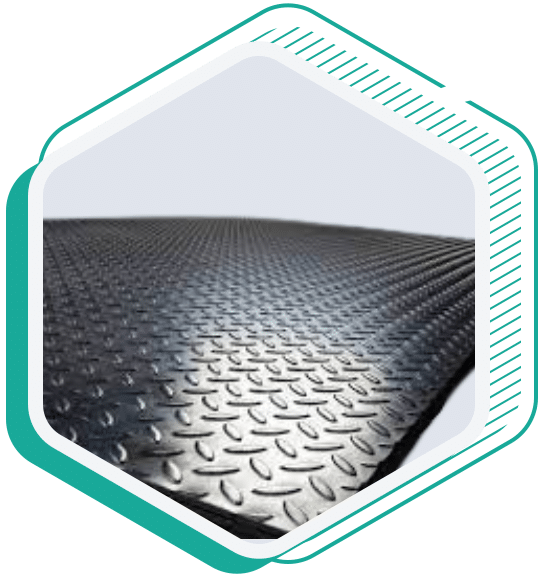
ASME SB463 Alloy 28 Chequered Plate
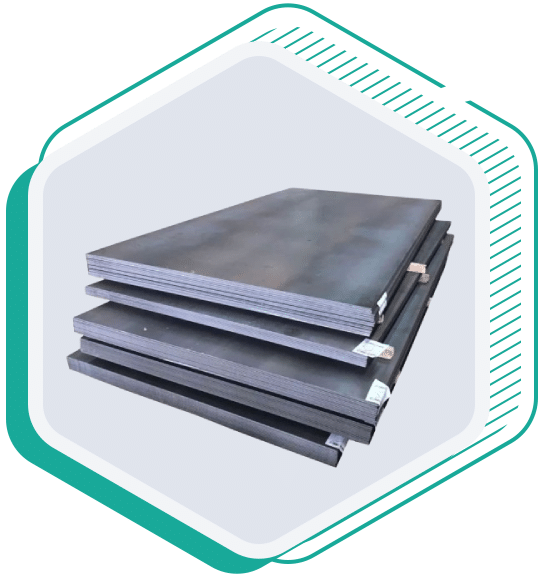
DIN 1.4563 Polished Plate
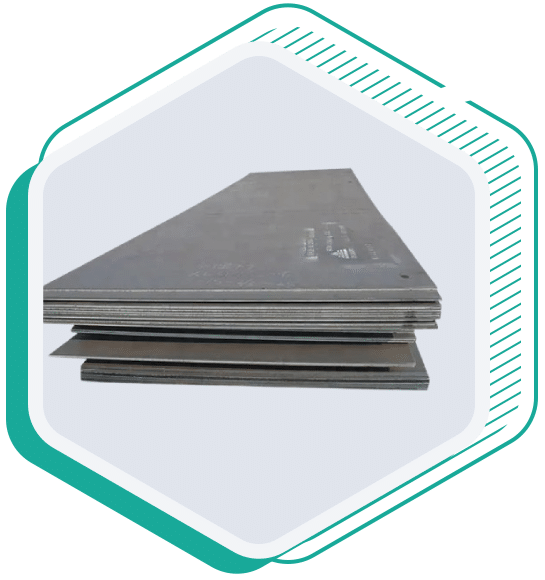
ASME SB463 Alloy 28 Hot Rolled Plate
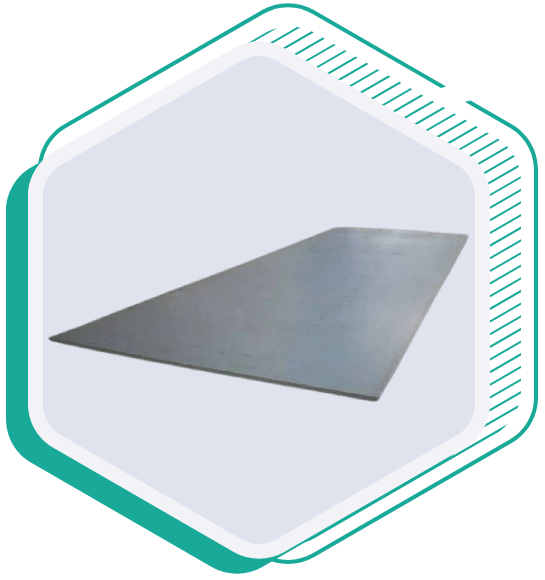
DIN 1.4563 CR Plates
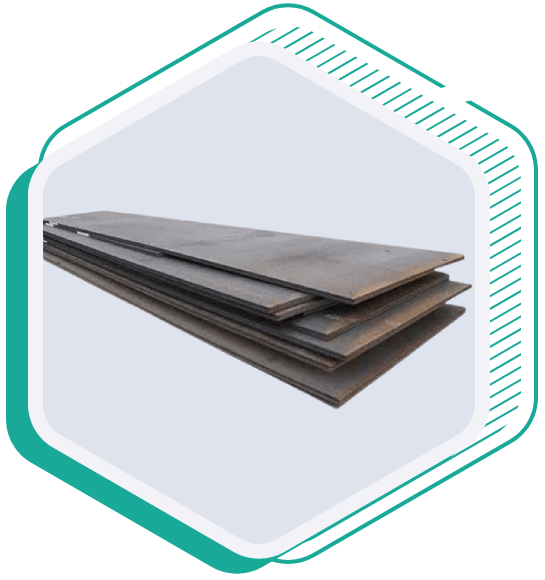
DIN 1.4563 Clad Plate
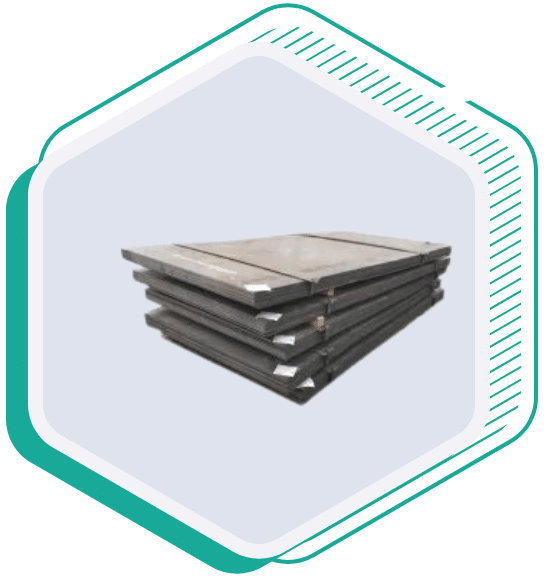
Alloy 28 Rolling Plate
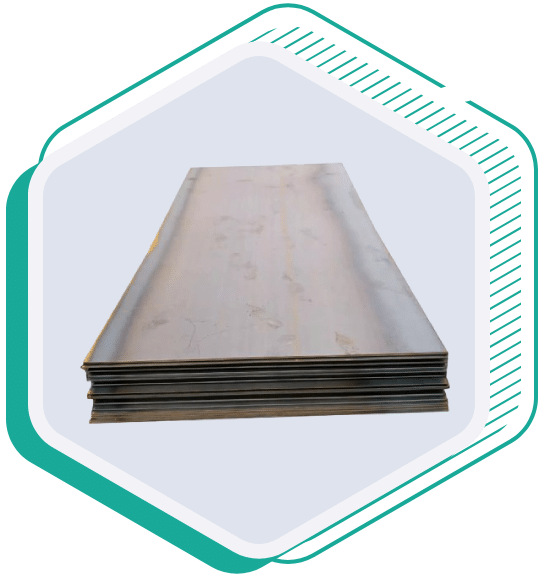
Matt PVC Alloy 28 Plate

2B Alloy 28 Plates
Alloy 28 Plates Specification
Specification: ASTM B709
Thickness :Ranging from 0.3mm to 20mm
Length : 2000 mm / 2440 mm / 2500 mm / 3000 mm / 6000 mm.
Hardness :As per ASME A & NACE MR 175
Width :1000mm / 1219mm /1250mm / 1500mm / 2000mm
Finish: Hot rolled plate (HR), Cold rolled sheet (CR)
| Grade | C | Mn | Si | S | Cu | Ni | Cr | Fe | Mo |
| Alloy 28 | 0.02 max | 2 max | 0.70 max | 0.03 max | 0.60 – 1.40 | 30 – 32 | 26 – 28 | 22 min | 3 – 4 |
| Density | Melting Point | Tensile Strength | Yield Strength (0.2%Offset) | Elongation |
| 8.0 g/cm3 | 1443 °C (2430 °F) | MPa -650 | MPa – 250 | 40 % |
| STANDARD | WERKSTOFF NR. | UNS | EN |
| Alloy 28 | 1.4563 | N08028 | X1NiCrMoCuN31-27-4 |
Alloy 28 Plate Thickness Chart
| Metric Thickness (mm) | Imperial Thickness (inches) | Typical Tolerance |
| 3.0 mm | 0.118 in | ±0.25 mm |
| 4.0 mm | 0.157 in | ±0.25 mm |
| 5.0 mm | 0.197 in | ±0.25 mm |
| 6.0 mm | 0.236 in | ±0.30 mm |
| 8.0 mm | 0.315 in | ±0.30 mm |
| 10.0 mm | 0.394 in | ±0.30 mm |
| 12.0 mm | 0.472 in | ±0.35 mm |
| 16.0 mm | 0.630 in | ±0.40 mm |
| 20.0 mm | 0.787 in | ±0.50 mm |
| 25.0 mm | 0.984 in | ±0.60 mm |
| 30.0 mm | 1.181 in | ±0.70 mm |
| 40.0 mm | 1.575 in | ±0.80 mm |
| 50.0 mm | 1.969 in | ±1.00 mm |
Weight Per Alloy 28 Plate
| Thickness (mm) | Plate Size (m x m) | Weight per Plate (kg) |
| 3 mm | 1m x 2m | 48.6 kg |
| 4 mm | 1m x 2m | 64.8 kg |
| 5 mm | 1m x 2m | 81 kg |
| 6 mm | 1m x 2m | 97.2 kg |
| 8 mm | 1m x 2m | 129.6 kg |
| 10 mm | 1m x 2m | 162 kg |
| 12 mm | 1m x 2m | 194.4 kg |
| 16 mm | 1m x 2m | 259.2 kg |
| 20 mm | 1m x 2m | 324 kg |
| 25 mm | 1m x 2m | 405 kg |
Price List Of Alloy 28 Plate
| Product | Price |
| ASTM B463 Alloy 28 2B Finish | US $20 – $25 / Kg |
| ASME SB463 Alloy 28 Coil | US $23 – $24 / Kg |
| UNS N08028 Circle | US $22 – $23 / Kg |
| DIN 1.4563 Clad Plate | US $24 – $25 / Kg |
| ASTM B463 Alloy 28 CR Sheet | US $21 – $22 / Kg |
Alloy 28 Plate Stockist Distributor of Following Manufacturers

ThyssenKrupp Make Alloy 28 Plate

Aperam Make Alloy 28 Plate

Outokumpu Make Alloy 28 Plate

Nippon Steel & Sumitomo Metal Make Alloy 28 Plate

Posco Make Alloy 28 Plate

Jindal Make Alloy 28 Plate

JFE Steel Corporation Make Alloy 28 Plate

Essar Make Alloy 28 Plate
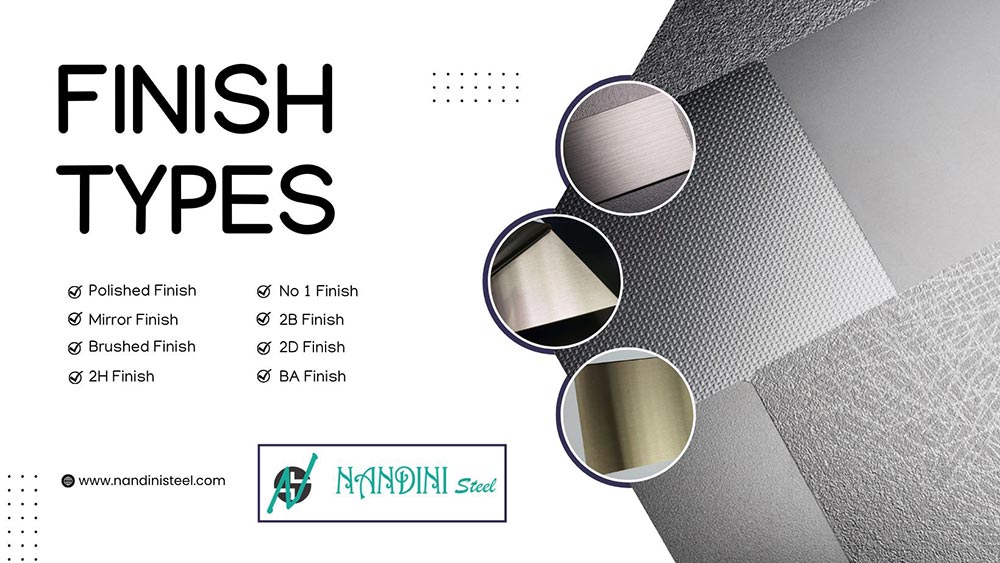
Alloy 28 Plate Finish Types
| Mumbai (Maharashtra) | Delhi | Bengaluru (Karnataka) | Chennai (Tamil Nadu) |
| Kolkata (West Bengal) | Hyderabad (Telangana) | Ahmedabad (Gujarat) | Pune (Maharashtra) |
| Jaipur (Rajasthan) | Surat (Gujarat) | Chandigarh | Lucknow (Uttar Pradesh) |
| Indore (Madhya Pradesh) | Coimbatore (Tamil Nadu) | Kochi (Kerala) | Visakhapatnam (Andhra Pradesh) |
| Nagpur (Maharashtra) | Patna (Bihar) | Bhopal (Madhya Pradesh) | Vadodara (Gujarat) |
| Mysuru (Karnataka) | Thane (Maharashtra) | Rajkot (Gujarat) | Vijayawada (Andhra Pradesh) |
| Agra (Uttar Pradesh) | Nashik (Maharashtra) | Guwahati (Assam) | Kanpur (Uttar Pradesh) |
| Faridabad (Haryana) | Gurugram (Haryana) | Noida (Uttar Pradesh) | Shimla (Himachal Pradesh) |
| Raipur (Chhattisgarh) | Udaipur (Rajasthan) | Kolkata (West Bengal) | Bhubaneswar (Odisha) |
| Dehradun (Uttarakhand) | Ranchi (Jharkhand) | Jamshedpur (Jharkhand) | Chandrapur (Maharashtra) |
| Dhanbad (Jharkhand) | Aligarh (Uttar Pradesh) | Bhubaneswar (Odisha) | Aurangabad (Maharashtra) |
| Tiruchirappalli (Tamil Nadu) | Srinagar (Jammu & Kashmir) | Ludhiana (Punjab) | Warangal (Telangana) |
| Kolkata (West Bengal) | Bikaner (Rajasthan) | Panaji (Goa) | Guntur |
Oman, Kuwait, Turkey, Yemen, Syria, Jordan, Cyprus, Saudi Arabia, Iran, Iraq, UAE, Qatar, Bahrain
South Africa, Libya, Egypt, Sudan, Equatorial Guinea, The Republic Of Congo, Gabon, Nigeria, Algeria, Angola
Costa Rica, Puerto Rica, Trinidad And Tobago, Jamaica, Bahamas, Denmark, USA, Canada, Mexico, Panama
Netherland, Belgium, Greece, Czech Republic, Portugal, Hungary, Russia, Norway, Germany, France, Italy, UK, Spain, Ukraine, Croatia, Slovenia, Malta, Albania, Austria, Switzerland, Slovakia, Finland, Ireland
India, Japan, Sri Lanka, Maldives, Bangladesh, Mayanmar, Taiwan, Cambodia, Singapore, Malaysia, Indonesia, Thailand, Vietnam, South Korea
Venezuela, Colombia, Ecuador, Guyana, Paraguay, Uruguay, Argentina, Bolivia, Brazil, Chile
FAQs
What is Alloy 28 Plate?
It is a nickel-chromium-molybdenum austenitic stainless plate built for sulfuric acid, phosphoric acid, and chloride service in chemical and fertilizer processing.
What is the UNS number of Alloy 28 Plate?
UNS N08028, corresponding to DIN 1.4563 under the European standard, covers this alloy grade.
Is Alloy 28 Plate resistant to acids?
Yes. It resists sulfuric acid, phosphoric acid, and chloride-bearing solutions across a wide range of concentrations and temperatures.
Can Alloy 28 plate be welded easily?
Standard austenitic welding methods apply, using matching filler metal and controlled heat input to preserve corrosion resistance at the joint.
What are the benefits of using Alloy 28 plates?
Benefits include resistance to pitting and crevice corrosion, tensile strength above 490 MPa, good weldability, and a long service life in aggressive media.
Can I get Alloy 28 Plate in different sizes from Nandini Steel?
Yes, we cut and supply custom sizes and thicknesses from our Mumbai stock, matched to your project drawings.


