


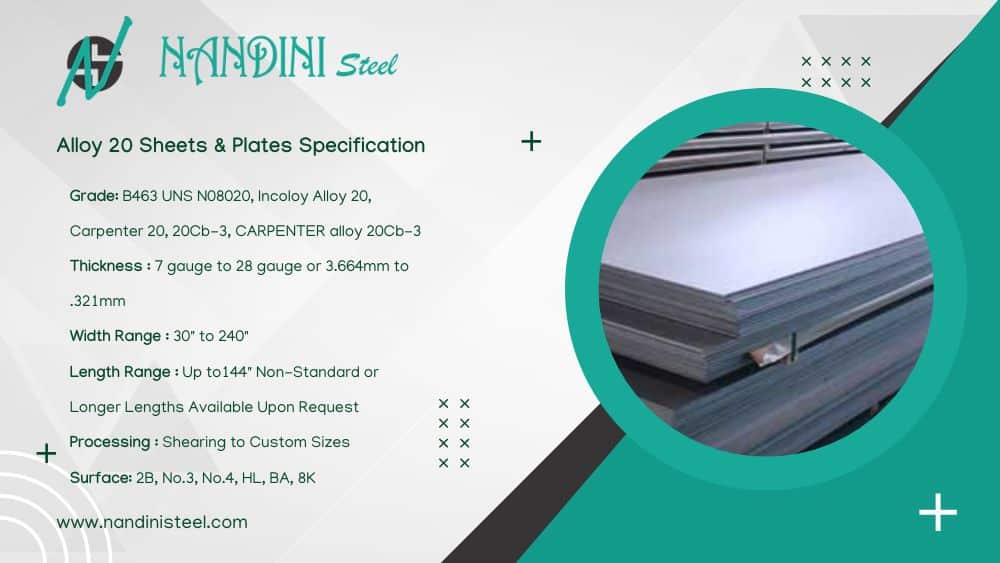
Alloy 20 plate is a nickel-iron-chromium material built for sulphuric acid service and other chemical environments where standard stainless steel fails within months. Nandini Steel works as an Alloy 20 Plate Supplier & Manufacturer, processing plate and sheet to project specifications. Copper and molybdenum additions push corrosion resistance past 316L in hot acid, and niobium stabilisation keeps the microstructure stable through welding. Every plate ships under UNS N08020, produced to ASTM B463, with mill certification covering chemistry and mechanical properties.
What Is an Alloy 20 Plate and Why Is It Used?
Alloy 20 plate carries roughly 33% nickel, 20% chromium, 2.5% molybdenum, and 3.5% copper, with niobium added to resist sensitisation at weld lines. That combination handles sulphuric acid across nearly the full concentration range, something austenitic stainless grades cannot manage without pitting or cracking. Chemical processing plants, pickling lines, and phosphoric acid units specify Alloy 20 for exactly this reason, particularly where chlorides are present alongside the acid.
Other Types of Alloy 20 Plates
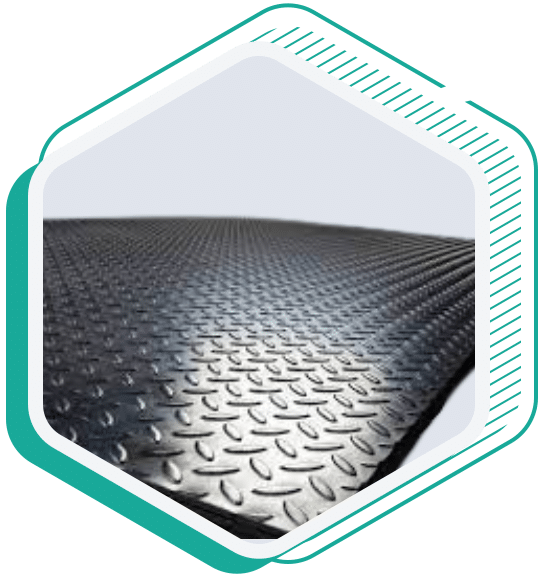
Alloy 20 Chequered Plate
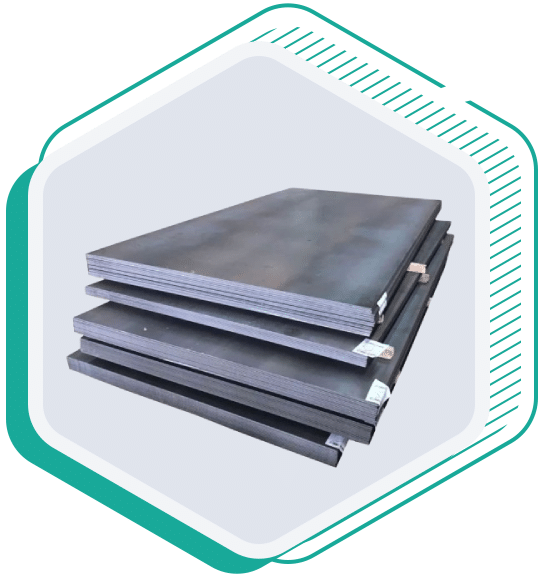
Alloy 20 Polished Plate
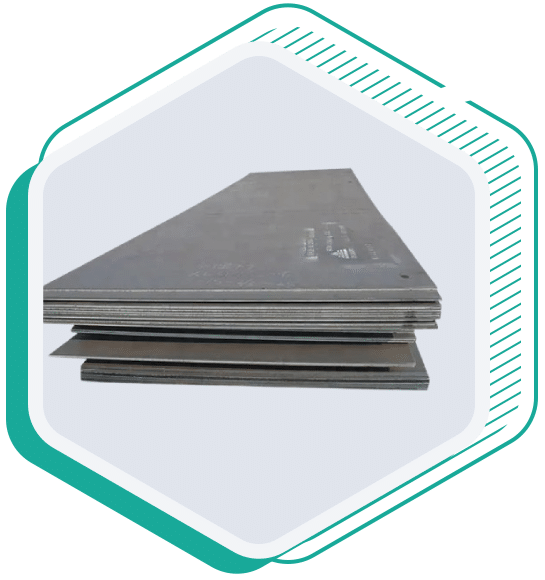
Alloy 20 Hot Rolled Plate
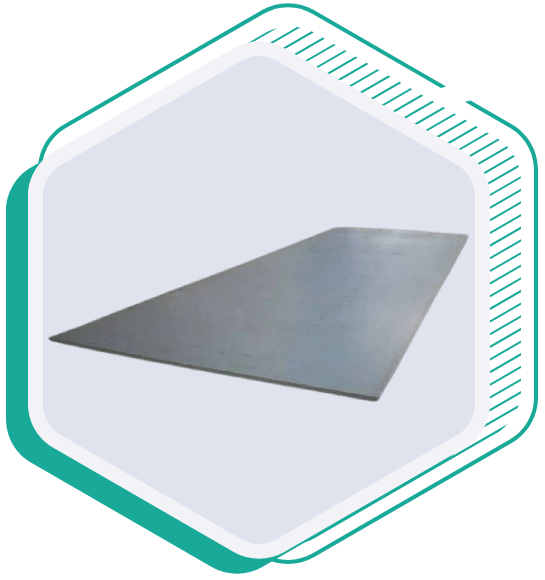
Alloy 20 CR Plates
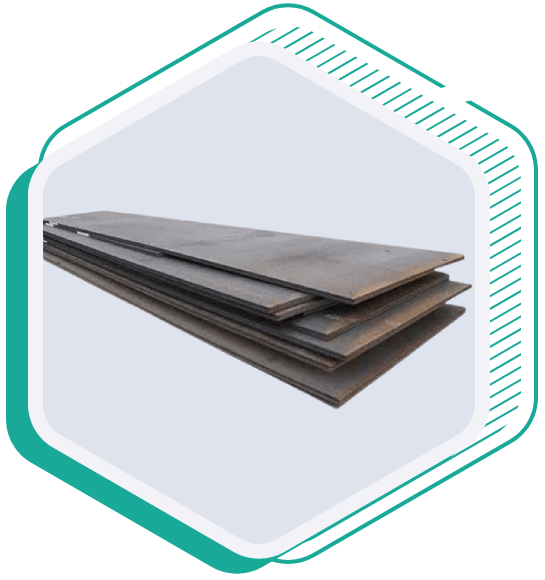
Alloy 20 Clad Plate
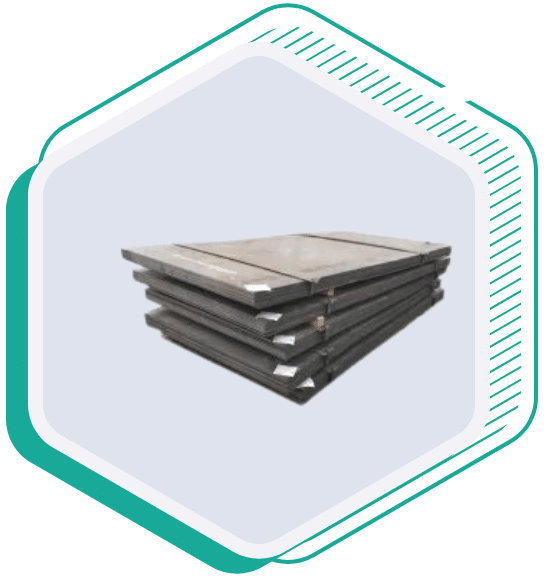
Alloy 20 Rolling Plate
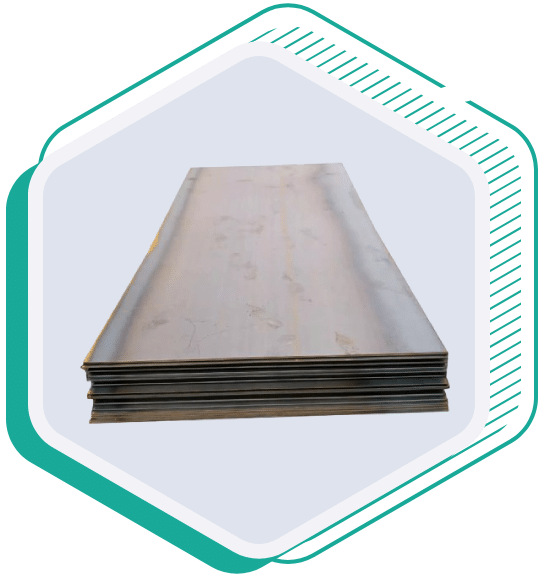
Matt PVC Alloy 20 Plate

2B Alloy 20 Plates
Alloy UNS N08020 Plate Specifications
| Parameter | UNS N08020 (Alloy 20) Plate |
| Applicable Standards | ASTM B463 / ASME SB-463 (plate, sheet, and strip); EN 2.4660 / NiCr20CuMo equivalents |
| Product Forms Covered | Hot-rolled plate, cold-rolled plate, sheet, strip (all annealed) |
| Heat Treatment / Condition | Stabilised anneal: 1750–1850 °F (954–1010 °C), followed by rapid cooling (water quench or equivalent) |
| Surface Condition | Typically supplied 2B/BA (cold-rolled) or hot-rolled + pickled/ground; final finish per purchase order (mill scale removed for corrosion service) |
| Chemical Composition (wt %, Typical Limits) | C ≤ 0.07; Mn ≤ 2.00; P ≤ 0.045; S ≤ 0.035; Si ≤ 1.00; Ni 32.0–38.0; Cr 19.0–21.0; Mo 2.0–3.0; Cu 3.0–4.0; Nb (columbium) ≥ 8×C to 1.00 max (stabiliser); Fe balance (≈ 29.85 min.) |
| Mechanical Properties (Minimum, Room Temperature) | Tensile strength ≥ 80 ksi (551 MPa); yield strength (0.2% offset) ≥ 35 ksi (241 MPa); elongation ≥ 30% in 2 in (50.8 mm); hardness typically ~150–217 HB (varies by thickness/finish) |
| Density | ≈ 8.05 g/cm³ (0.291 lb/in³) |
| Melting Range | ≈ 1370–1440 °C (≈ 2500–2625 °F); often cited as ~1443 °C (2430 °F) solidus/liquidus region |
| Thickness Range (Typical Commercial) | Sheet/strip: < 4.76 mm; cold-rolled plate: 4.76–9.52 mm; hot-rolled plate: ≥ 4.76 mm up to ~100–200 mm depending on mill/stock |
| Width Range (Typical) | Sheet/strip: < 609.6 mm (narrow strip) up to ~1250 mm; plate: > 254 mm, commonly 1000–2500 mm (40–98 in); some stocks up to 240 in (≈ 6096 mm) |
| Length Range (Typical) | Standard mill lengths: 2000, 2440, 3000, 4000 mm; custom cut lengths to ~12 m (480 in) or as required |
| Dimensional Tolerances | Thickness, width, length, and flatness per ASTM A480/A480M (for stainless/nickel alloy flat products) and/or ASTM B463 references; tighter tolerances are available by agreement (precision-leveled, machined edges) |
| Testing / Inspection | Chemical analysis, tensile/yield/elongation, hardness (if specified), and PMI; optional NDE (UT/PT) and corrosion tests per project specification; MTC EN 10204 3.1/3.2 commonly supplied |
| Welding / Fabrication | Weldable by GTAW, GMAW, and SAW with matching filler (e.g., ER/ENiCrMo-3 type); use the stabilised annealed condition and control heat input to retain corrosion resistance |
| Nickel | Chromium | Carbon | Copper | Molybdenum | Manganese | Silicon | Columbium | Iron |
| 32.5-35% | 19-21% | 0.06% maximum | 3-4% | 2-3% | 2% maximum | 1% maximum | 1% maximum | 31-44% (balance) |
| Tensile Strength | Yield Strength | Elongation | Hardness MAX |
| 80 ksi | 35ksi | 30% | 217 |
| STANDARD | UNS | WERKSTOFF NR. | AFNOR | EN | JIS | BS | GOST |
| Alloy 20 | N08020 | 2.4660 | Z2NCUD31-20AZ | NiCr20CuMo | – | – | – |
ASTM B463 Alloy 20 Plate Thickness Chart
| Thickness (in) | Thickness (mm) | Typical Designation |
| 0.125 | 3.18 | 1/8″ |
| 0.134 | 3.40 | — |
| 0.156 | 3.96 | 5/32″ |
| 0.187 | 4.75 | 3/16″ (plate start) |
| 0.250 | 6.35 | 1/4″ |
| 0.312 | 7.92 | 5/16″ |
| 0.375 | 9.53 | 3/8″ |
| 0.500 | 12.70 | 1/2″ |
| 0.625 | 15.88 | 5/8″ |
| 0.750 | 19.05 | 3/4″ |
| 0.875 | 22.23 | 7/8″ |
| 1.000 | 25.40 | 1″ |
| 1.125 | 28.58 | 1-1/8″ |
| 1.250 | 31.75 | 1-1/4″ |
| 1.500 | 38.10 | 1-1/2″ |
| 1.750 | 44.45 | 1-3/4″ |
| 2.000 | 50.80 | 2″ |
| 2.500 | 63.50 | 2-1/2″ |
| 3.000 | 76.20 | 3″ |
| 3.500 – 4.000 | 88.9 – 101.6 | Heavy plate (mill-dependent) |
Weight Per Alloy 20 Plates
| Thickness (mm) | Plate Size (m x m) | Weight per Plate (kg) |
| 3 mm | 1m x 2m | 48.6 kg |
| 4 mm | 1m x 2m | 64.8 kg |
| 5 mm | 1m x 2m | 81 kg |
| 6 mm | 1m x 2m | 97.2 kg |
| 8 mm | 1m x 2m | 129.6 kg |
| 10 mm | 1m x 2m | 162 kg |
| 12 mm | 1m x 2m | 194.4 kg |
| 16 mm | 1m x 2m | 259.2 kg |
| 20 mm | 1m x 2m | 324 kg |
| 25 mm | 1m x 2m | 405 kg |
Key Properties & Benefits of Incoloy Alloy 20 Plates
Alloy 20 plates are selected for applications where ordinary stainless steel may not provide enough resistance to aggressive acids and corrosive process fluids. Their combination of corrosion resistance, strength, and fabrication properties makes them suitable for demanding chemical and process environments.
Excellent Resistance to Sulfuric Acid
One of the main reasons Alloy 20 plates are used is their resistance to sulfuric acid. The alloy performs well across a wide range of sulfuric acid concentrations under suitable operating conditions. This makes it useful for chemical processing equipment, storage tanks, piping components, and other equipment exposed to acidic media.
Good Resistance to Chloride Stress Corrosion Cracking
Alloy 20 offers better resistance to chloride stress corrosion cracking than many conventional austenitic stainless steel grades. This is useful in equipment exposed to chloride-containing process fluids where cracking can become a concern.
Strong Resistance to Pitting and Crevice Corrosion
The addition of chromium, molybdenum, and copper gives Alloy 20 good resistance to localized corrosion. Alloy 20 plates can therefore be used in equipment where pitting and crevice corrosion may occur, particularly in acidic or chloride-containing environments.
Good Strength and Ductility
Alloy 20 plates provide a useful balance of mechanical strength and ductility. They can withstand demanding service conditions while still allowing common fabrication operations such as forming, bending, and rolling when suitable procedures are followed.
Good Weldability
Alloy 20 can be welded using commonly used processes such as GTAW, GMAW, and SAW. Proper filler selection and control of welding parameters are important for maintaining the alloy’s corrosion resistance and avoiding problems in the weld area.
Reliable Performance at Elevated Temperatures
Alloy 20 retains useful mechanical and corrosion-resistant properties at elevated temperatures, making it suitable for a range of heated chemical processing applications. The niobium-stabilized composition also helps reduce the risk of harmful carbide precipitation during welding and subsequent service.
Alloy 20 vs Other Corrosion-Resistant Alloys
| Alloy / Family | Typical Composition Highlights | Sulfuric Acid Resistance (General) | Pitting / Crevice (Chlorides) | Stress-Corrosion Cracking (SCC) | Temperature Limit (Approx.) | Relative Cost* | Typical Use Cases |
| 316L (S31603) | 16–18% Cr, 10–14% Ni, 2–3% Mo | Moderate; acceptable in dilute/ambient acid, poor in hot concentrated acid | Moderate; PREN ≈ 25 | Susceptible to hot chlorides | ≤ 300–350 °C (mechanical) | Low | General chemical, marine, food, pharma |
| 904L (N08904) | ~20% Cr, 25% Ni, 4–5% Mo, 1–2% Cu | Good to very good in dilute–medium acid; better than 316L, but not as robust as Alloy 20 in the 70–90% range at elevated temperature | Good; PREN ≈ 35 | Better than 316L, still austenitic stainless steel | ≤ 350–400 °C | Medium-high | Severe chloride + acid service (FGD, pickling, offshore) |
| Alloy 20 (N08020) | 19–21% Cr, 32–38% Ni, 2–3% Mo, 3–4% Cu, Nb-stabilized | Excellent across a wide concentration range (up to ~98% at moderate temperature); widely used in sulfuric acid plants | Good; better than 316L/904L in many acid + chloride mixtures due to higher Ni and Cu | Very good; Nb stabilization reduces sensitization and SCC risk | ≤ 400–450 °C (depends on specification) | Medium | Sulfuric/phosphoric acid equipment, pickling, heat exchangers |
| Hastelloy C-276 (N10276) | ~15–17% Cr, 54–57% Ni, 15–17% Mo, 4–7% W | Outstanding in reducing acids, including hot concentrated H₂SO₄, and mixed acids; superior to Alloy 20 in severe conditions | Excellent; very high PREN-like behaviour | Excellent; Ni-Mo-Cr base resists SCC | ≤ 450–500 °C (service dependent) | High | Severe corrosion, halides, oxidising and reducing acids |
| Hastelloy C-22 (N06022) | ~22% Cr, 56% Ni, 13% Mo, 3% W | Similar to C-276, often better in oxidising media; top-tier for mixed environments | Excellent | Excellent | ≤ 450–500 °C | High | Aggressive chemical, waste treatment, flue-gas service |
| Nickel Alloys (e.g., 825, 625, 400) | 825: ~21–23% Cr, 38–46% Ni, 2.5–3.5% Mo, Ti; 625: high Ni-Cr-Mo-Nb; 400: Ni-Cu | 825: very good in sulfuric acid; 625: excellent general corrosion resistance; 400: good in reducing acids and seawater | 825/625: excellent; 400: good in seawater but not for strong oxidizers | 825/625: excellent; 400: good in many services | 400–600 °C (alloy-dependent) | Medium-high to very high | High-temperature, high-corrosion, oil & gas, marine, aerospace |
Quality Testing & Inspection of Alloy UNS N08020 Plates
Every Alloy UNS N08020 Plate goes through verification before dispatch, confirming the material meets ASTM B463 chemistry, mechanical properties, and dimensional requirements ahead of shipment.
- Chemical analysis confirms that nickel, chromium, molybdenum, and copper content stays within the ASTM B463 limits for the heat.
- Mechanical testing checks tensile strength, yield strength, and elongation against the minimum values called out in the standard.
- Dimensional inspection verifies thickness, width, length, and flatness against the tolerances stated on the purchase order.
- Surface inspection catches scale, pitting, or lamination defects before the plate moves to cutting or shipping.
- Corrosion-related testing, such as intergranular attack evaluation, runs when the project specification requires it.
- Positive material identification confirms alloy grade on individual plates using handheld XRF equipment before dispatch.
- Third-party inspection agencies witness testing and documentation when the purchase order calls for an independent review.
- Mill test certificates covering chemistry, mechanical properties, and heat treatment accompany every shipment per EN 10204 3.1.
Don’t settle for less when it comes to material quality. Choose Nandini Steel for your Alloy 20 Plate needs, where we combine exceptional performance with industry-leading expertise. Whether you need ASTM B463 UNS N08020 Alloy 20 Plates or Alloy 20 Chequered Plates, we provide reliable products designed to meet the most stringent requirements. Contact us today to get a quote or to discuss your project needs with our expert team.
Let Nandini Steel be your trusted partner for high-quality Alloy 20 Plates.
Alloy 20 Plate Stockist Distributor of Following Manufacturers

ThyssenKrupp Make Alloy 20 Plate

Aperam Make Alloy 20 Plate

Outokumpu Make Alloy 20 Plate

Nippon Steel & Sumitomo Metal Make Alloy 20 Plate

Posco Make Alloy 20 Plate

Jindal Make Alloy 20 Plate

JFE Steel Corporation Make Alloy 20 Plate

Essar Make Alloy 20 Plate
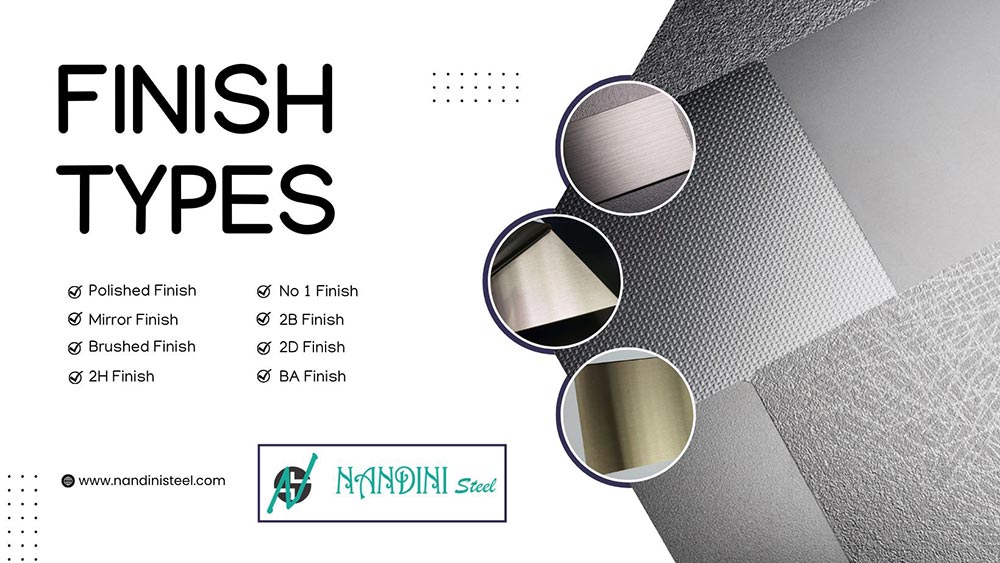
Alloy 20 Plate Finish Types
| Mumbai (Maharashtra) | Delhi | Bengaluru (Karnataka) | Chennai (Tamil Nadu) |
| Kolkata (West Bengal) | Hyderabad (Telangana) | Ahmedabad (Gujarat) | Pune (Maharashtra) |
| Jaipur (Rajasthan) | Surat (Gujarat) | Chandigarh | Lucknow (Uttar Pradesh) |
| Indore (Madhya Pradesh) | Coimbatore (Tamil Nadu) | Kochi (Kerala) | Visakhapatnam (Andhra Pradesh) |
| Nagpur (Maharashtra) | Patna (Bihar) | Bhopal (Madhya Pradesh) | Vadodara (Gujarat) |
| Mysuru (Karnataka) | Thane (Maharashtra) | Rajkot (Gujarat) | Vijayawada (Andhra Pradesh) |
| Agra (Uttar Pradesh) | Nashik (Maharashtra) | Guwahati (Assam) | Kanpur (Uttar Pradesh) |
| Faridabad (Haryana) | Gurugram (Haryana) | Noida (Uttar Pradesh) | Shimla (Himachal Pradesh) |
| Raipur (Chhattisgarh) | Udaipur (Rajasthan) | Kolkata (West Bengal) | Bhubaneswar (Odisha) |
| Dehradun (Uttarakhand) | Ranchi (Jharkhand) | Jamshedpur (Jharkhand) | Chandrapur (Maharashtra) |
| Dhanbad (Jharkhand) | Aligarh (Uttar Pradesh) | Bhubaneswar (Odisha) | Aurangabad (Maharashtra) |
| Tiruchirappalli (Tamil Nadu) | Srinagar (Jammu & Kashmir) | Ludhiana (Punjab) | Warangal (Telangana) |
| Kolkata (West Bengal) | Bikaner (Rajasthan) | Panaji (Goa) | Guntur |
Oman, Kuwait, Turkey, Yemen, Syria, Jordan, Cyprus, Saudi Arabia, Iran, Iraq, UAE, Qatar, Bahrain
South Africa, Libya, Egypt, Sudan, Equatorial Guinea, The Republic Of Congo, Gabon, Nigeria, Algeria, Angola
Costa Rica, Puerto Rica, Trinidad And Tobago, Jamaica, Bahamas, Denmark, USA, Canada, Mexico, Panama
Netherland, Belgium, Greece, Czech Republic, Portugal, Hungary, Russia, Norway, Germany, France, Italy, UK, Spain, Ukraine, Croatia, Slovenia, Malta, Albania, Austria, Switzerland, Slovakia, Finland, Ireland
India, Japan, Sri Lanka, Maldives, Bangladesh, Mayanmar, Taiwan, Cambodia, Singapore, Malaysia, Indonesia, Thailand, Vietnam, South Korea
Venezuela, Colombia, Ecuador, Guyana, Paraguay, Uruguay, Argentina, Bolivia, Brazil, Chile
FAQs
The UNS number is N08020. This designation appears on mill certificates and purchase specifications for Alloy 20 plate, sheet, and strip.
Yes. Mill test certificates covering chemical composition, mechanical properties, and heat treatment ship with every order, along with third-party inspection reports when specified on the purchase order.
Yes. Plates cut to custom width, length, and thickness are available on request, along with edge machining and precision leveling where the application needs tighter flatness tolerance.


